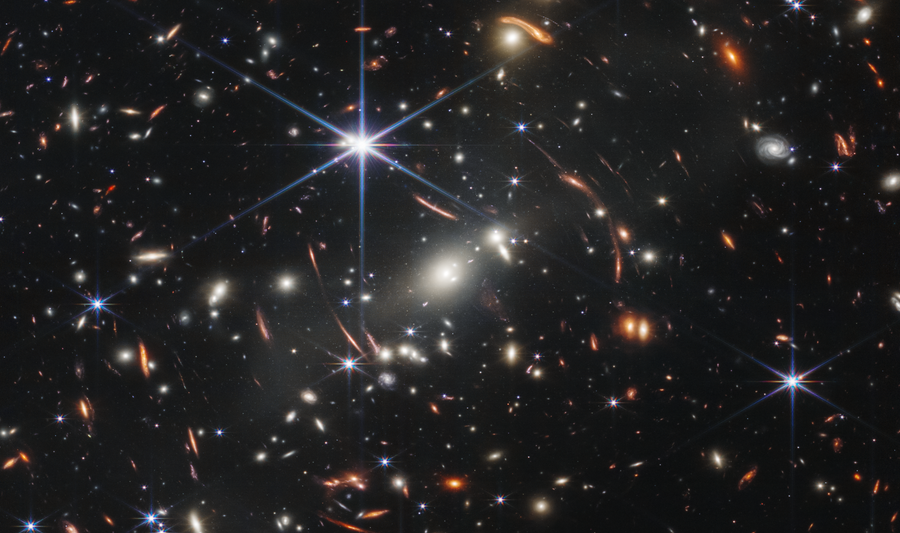
For almost twenty years, I have been trying to understand the Universe. I have studied stars, galaxies, molecular clouds, and the physics and chemical laws that shape them. I have spent countless hours looking at the data and writing simulations to decipher their messages. However, the most important thing astrophysics has taught me is about humans.
The Universe is unimaginably vast and human life is incredibly brief. On cosmic timescales, our existence is practically nothing. Yet, within that tiny interval, something extraordinary happens: a human being experiences the world, forms relationships, loves, dreams, suffers, creates and hopes.
Every human life is an entire Universe of its own.
We sometimes become so accustomed to numbers – millions of people, thousands of casualties, refugees, victims – that we forget what those numbers represent. Every number is a person. Someone who had a childhood. Someone who was loved. Someone who has visions for their future.
The cosmic representative should not make us feel insignificant. On the contrary. It should make every individual life more precious.
We all share the same small planet. Neglecting borders and differences we fight for, what remains is fundamental. Billions of human beings, each with only one life. Perhaps this is one of the most important lessons science can offer us.
Precisely because our time is so short and unique, every human life matters.